Signs You May Have Mold In Your Home
Mold can develop inside homes and commercial properties without being immediately visible. In many cases, hidden moisture problems allow mold to grow behind walls, under flooring, inside ceilings, or around HVAC systems before property owners even notice the issue.
Recognizing the early warning signs of mold can help prevent larger structural damage and protect indoor air quality.
Musty Or Unpleasant Odors
One of the most common signs of hidden mold is a strong musty smell. Mold often produces a damp, earthy odor that becomes more noticeable in enclosed or humid areas.
These odors may appear in:
- Bathrooms
- Kitchens
- Laundry rooms
- Closets
- Attics
- Air conditioning systems
Persistent odors should never be ignored, especially if the source cannot be easily identified.
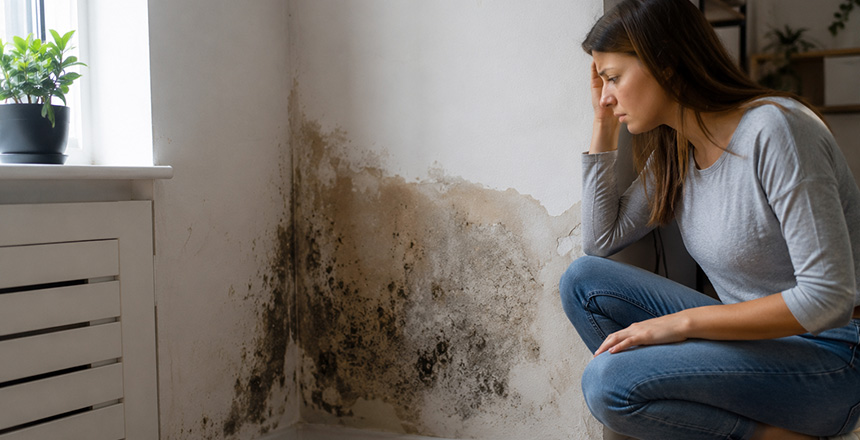
Visible Dark Spots Or Stains
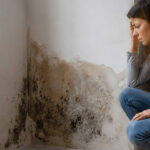
Mold may appear as:
- Black spots
- Green patches
- Brown discoloration
- White fuzzy growth
It commonly develops on:
- Walls
- Ceilings
- Baseboards
- Drywall
- Around windows
- Under sinks
Visible mold growth usually indicates an underlying moisture issue that should be professionally inspected.
Water Damage Or Moisture Problems
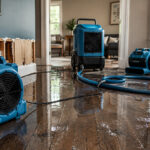
Properties that have experienced leaks, flooding, or high humidity are at greater risk for mold growth.
Warning signs include:
- Water stains
- Damp drywall
- Bubbling paint
- Warped flooring
- Ceiling discoloration
- Condensation around windows
Even small leaks can create hidden moisture buildup over time.
Increased Allergy Or Respiratory Symptoms
Poor indoor air quality caused by mold may contribute to:
- Sneezing
- Coughing
- Nasal congestion
- Eye irritation
- Headaches
- Respiratory discomfort
Symptoms may become worse indoors or in specific areas of the property affected by contamination.
Peeling Paint Or Damaged Walls
Excess moisture behind walls can cause:
- Peeling paint
- Cracked drywall
- Soft surfaces
- Swollen baseboards
- Warped materials
These signs may indicate hidden water intrusion and possible mold development behind finished surfaces.
Mold Around HVAC Systems
Mold can also develop inside:
- Air ducts
- Vents
- HVAC systems
- Air handlers
When this happens, spores may circulate throughout the property and affect indoor air quality in multiple rooms.
Regular inspections and moisture control are important to help prevent contamination in ventilation systems.
Why Early Detection Matters
Ignoring mold problems can lead to:
- Structural damage
- Poor indoor air quality
- Expensive restoration costs
- Ongoing moisture problems
- Larger contamination areas
Early detection allows remediation professionals to address the problem before it spreads further.
Professional Mold Inspection & Remediation
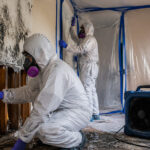
Professional mold remediation companies use specialized equipment to:
- Detect hidden moisture
- Identify affected areas
- Contain contamination
- Remove damaged materials
- Improve indoor air quality
Professional remediation helps restore a cleaner and healthier indoor environment safely and effectively.
Conclusion
Mold problems should always be addressed quickly to help protect both the property and the people inside it. If you notice musty odors, water damage, visible stains, or unusual indoor air quality issues, professional inspection and remediation services can help identify and resolve the problem before it becomes more serious.